
Essential Romanian Vocabulary For Home And Furniture

Author
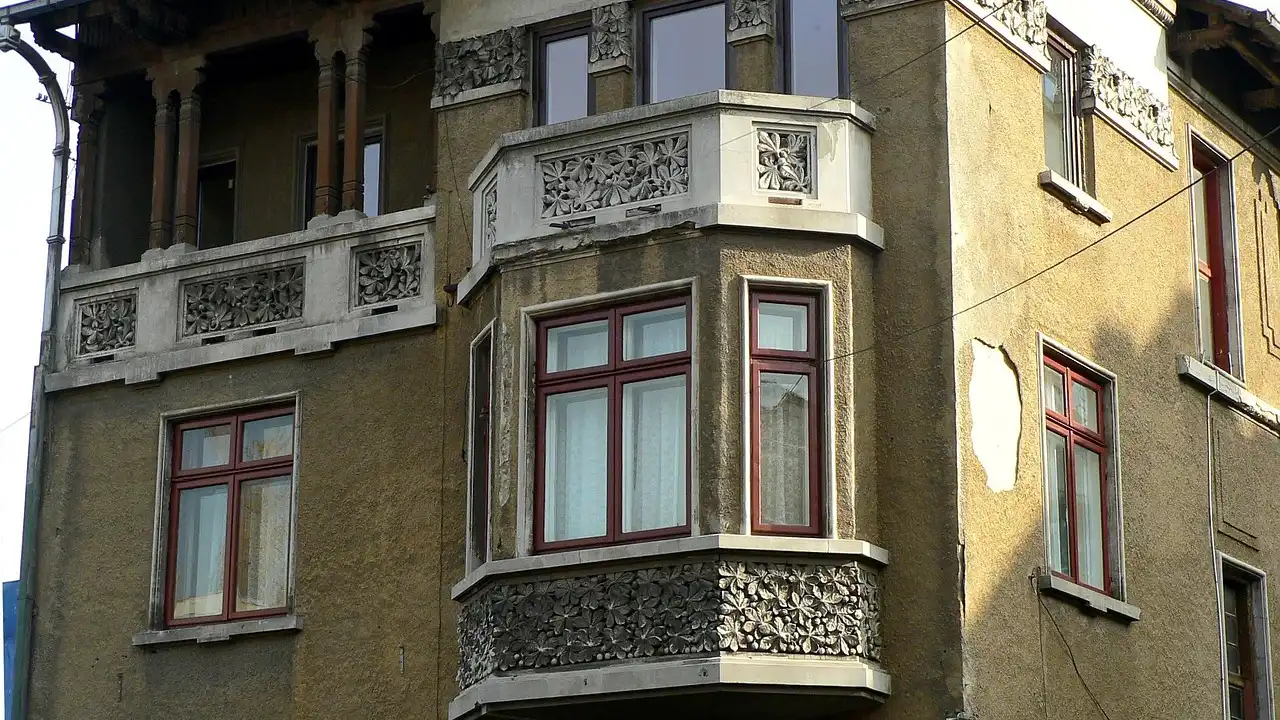
They say that “home is where the heart is.”
In Romanian, we have a similar saying: Nicăieri nu-i ca acasă (There’s no place like home).
Whether you are planning to rent an apartment in Bucharest for a holiday, or you are visiting friends in the countryside, knowing the names of rooms and furniture is incredibly useful.
It helps you ask where things are, explain what is broken, or simply feel more comfortable in your surroundings.
In this guide, I’ll walk you through the most common Romanian vocabulary for the home.
I’ve broken this down room-by-room so it is easy to memorize.
Table of Contents:
General housing terms
Before we look at specific furniture, you need to know the basics of the building itself.
In Romania, many people in cities live in what we call a bloc. This is an apartment building or block of flats. If you go to the countryside or the suburbs, you are more likely to see a casă (house).
Here are the essential words for the structure of a home.
| English | Romanian (Singular) | Romanian (Plural) |
|---|---|---|
| House | Casă | Case |
| Apartment | Apartament | Apartamente |
| Studio apartment | Garsonieră | Garsoniere |
| Room | Cameră | Camere |
| Floor / Level | Etaj | Etaje |
| Door | Ușă | Uși |
| Window | Fereastră / Geam | Ferestre / Geamuri |
| Wall | Perete | Pereți |
| Key | Cheie | Chei |
Note on “Etaj”: In Romania, the ground floor is called parter. The first floor (etajul 1) is the one above the ground floor. This is the same system used in most of Europe, but different from the US.
The living room (Sufrageria)
The living room is usually called sufrageria or sometimes camera de zi (day room). This is where you relax, watch TV, or entertain guests.
Here is the main vocabulary you will need:
| English | Romanian |
|---|---|
| Sofa / Couch | Canapea |
| Armchair | Fotoliu |
| Table | Masă |
| Chair | Scaun |
| Television | Televizor |
| Carpet / Rug | Covor |
| Curtains | Perdele |
| Light / Lamp | Lustră / Lampă |
If you want to invite someone to sit down, you can use this phrase:

Te rog, ia loc pe canapea.
The kitchen (Bucătăria)
For many Romanians, the kitchen (bucătăria) is the heart of the home. It is often where families eat their meals, not just where they cook.
If you are learning to cook Romanian food, you will need to know your way around these appliances and utensils.
| English | Romanian |
|---|---|
| Fridge | Frigider |
| Stove (Gas cooker) | Aragaz |
| Oven | Cuptor |
| Sink | Chiuvetă |
| Trash can | Coș de gunoi |
| Plate | Farfurie |
| Fork | Furculiță |
| Knife | Cuțit |
| Spoon | Lingură |
| Glass | Pahar |
| Cup / Mug | Cană |
A quick tip: In Romania, most stoves are gas-powered and we call the entire unit (stovetop and oven) an aragaz. If you have a modern electric stovetop, you might hear it called plită.
Unde este paharul de apă?
The bedroom (Dormitorul)
The dormitor is where you sleep.
Romanian winters can get quite cold, so vocabulary regarding bedding is very important! You will often find a plapumă (a very thick, heavy duvet) in traditional Romanian homes.
| English | Romanian |
|---|---|
| Bed | Pat |
| Mattress | Saltea |
| Pillow | Pernă |
| Blanket / Duvet | Pătură / Pilotă |
| Bed sheets | Cearșafuri |
| Wardrobe / Closet | Dulap |
| Nightstand | Noptieră |
| Alarm clock | Ceas deșteptător |
Mă duc la culcare.
The bathroom (Baia)
Finally, we have the bathroom (baia).
Note that in some older apartments, the toilet might be in a separate small room from the bathtub and sink, though this is less common in modern renovations.
| English | Romanian |
|---|---|
| Toilet | Toaletă / WC |
| Bathtub | Cadă |
| Shower | Duș |
| Sink | Chiuvetă |
| Mirror | Oglindă |
| Towel | Prosop |
| Soap | Săpun |
| Toilet paper | Hârtie igienică |
| Washing machine | Mașină de spălat |
Unde este baia?
Useful phrases for around the house
Now that you have the vocabulary lists, let’s look at how to use them in full sentences.
You will often need to use verbs like to open (a deschide), to close (a închide), or to clean (a face curat / a curăța).
Here are some common scenarios you might encounter:
1. Dealing with temperature
Este cald. Deschide geamul, te rog.
Închide ușa, este curent.
Cultural Note: Romanians are famously afraid of curent (the draft). Many believe that a cool breeze flowing through the house can make you sick or give you a toothache!
2. Cleaning and chores
Fac curat în bucătărie.
Mașina de spălat este stricată.
3. Asking for things
Ai un prosop curat?
Unde pot să îmi pun hainele?
Learning vocabulary for the home is a great step toward fluency because these are words you will use every single day.
Start by labeling things in your own house with sticky notes. Put a note that says frigider on your fridge and ușă on your door. This is a classic language learning tip that really works.
Noroc! (Good luck!)
