
Romanian Family Vocabulary For Everyday Use

Author
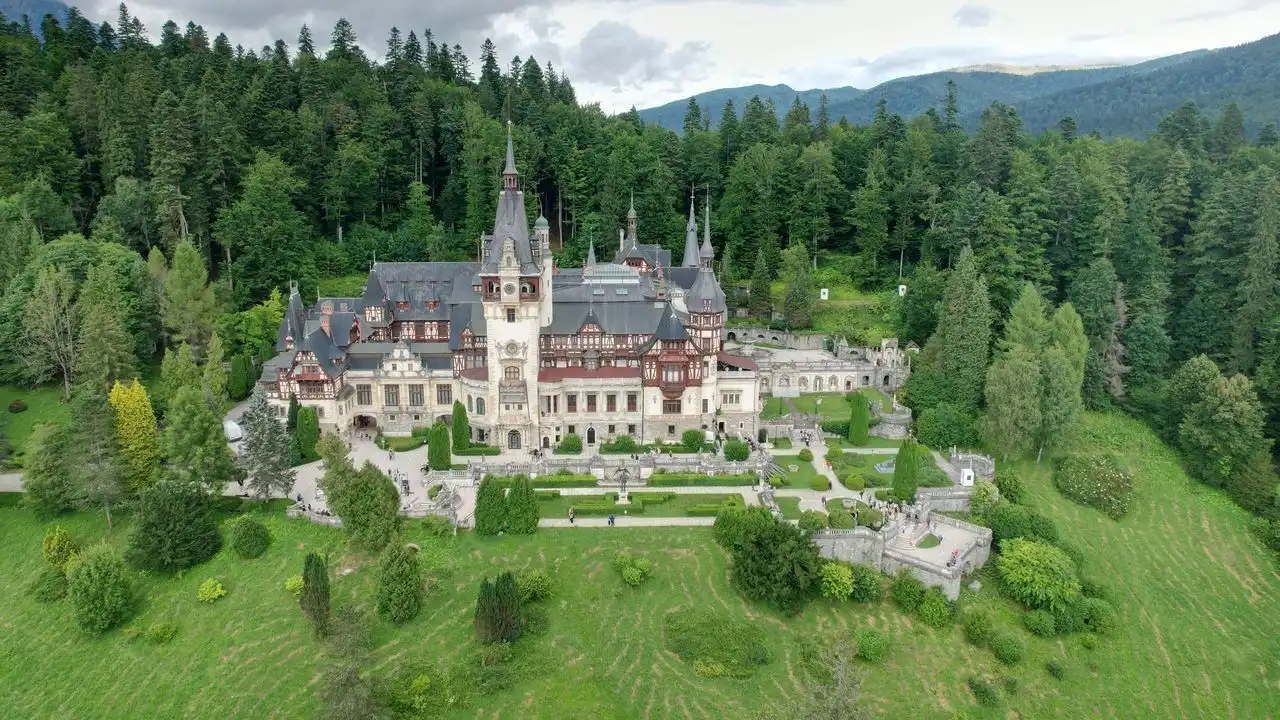
Family is a central part of Romanian culture.
Learning how to talk about your relatives is a fundamental step in your language journey.
You’ll use these words constantly when introducing yourself to native speakers.
Native speakers love to share personal stories about their loved ones.
This guide covers the exact Romanian family vocabulary you need for daily conversations.
Table of Contents:
Immediate family members
Your immediate family includes your parents, siblings, and your spouse.
These are the most common words you’ll need to memorize first.
| English | Romanian |
|---|---|
| Family | Familie |
| Mother | Mamă |
| Father | Tată |
| Sister | Soră |
| Brother | Frate |
| Wife | Soție |
| Husband | Soț |
When you want to say “my mother” or “my father”, the spelling changes slightly.
Romanian attaches the word “the” directly to the end of the noun.
You then add the possessive word mea (for females) or meu (for males) right after it.
For example, “my mother” becomes mama mea.
“My father” becomes tatăl meu.
Extended family members
Romanian families are often very close-knit.
You’ll frequently hear people talking about their grandparents, aunts, and uncles.
Here’s the vocabulary for your extended relatives.
| English | Romanian |
|---|---|
| Grandmother | Bunică |
| Grandfather | Bunic |
| Aunt | Mătușă |
| Uncle | Unchi |
| Cousin (female) | Verișoară |
| Cousin (male) | Văr |
In everyday spoken Romanian, you’ll rarely hear people say the full word bunică when talking to their grandmother.
Instead, it’s extremely common to use the affectionate nickname buni.
You might also hear older relatives referred to respectfully as tanti (auntie) or nenea (uncle), even if they’re just neighbors and not actual blood relatives.
In-laws and marriage terms
Marriage brings a whole new set of vocabulary words to learn.
Here’s how you refer to your new family members after tying the knot.
| English | Romanian |
|---|---|
| Mother-in-law | Soacră |
| Father-in-law | Socru |
| Sister-in-law | Cumnată |
| Brother-in-law | Cumnat |
Just like with immediate family, you’ll use possessives to talk about them.
“My mother-in-law” translates to soacra mea.
“My brother-in-law” translates to cumnatul meu.
Talking about children
If you have kids, people will naturally ask about them during small talk.
Use this table to learn the words for children.
| English | Romanian |
|---|---|
| Child | Copil |
| Children | Copii |
| Daughter | Fiică |
| Son | Fiu |
| Girl | Fată |
| Boy | Băiat |
| Twins | Gemeni |
Notice that fată can mean both “girl” and “daughter” depending on the context.
If someone says fata mea, they’re affectionately saying “my daughter”.
Useful phrases for talking about family
Knowing individual words is only the first step.
You need to put these words into complete sentences to actually communicate.
Here are some standard conversational phrases you can practice right now.

Ai frați sau surori?
Am un frate și o soră.
Ea este mama mea.
El este tatăl meu.
Familia mea este mare.
Aveți copii?
Da, am un băiat și o fată.
Practice replacing the nouns in these sentences with different family members from the tables above.
This will quickly train your brain to retrieve the correct vocabulary during real conversations.
